
Case study · HealthTech
Cardiac rehabilitation that fits in your pocket
I designed and coded a smartphone-based cardiac rehab program that drastically reduced in-person clinic visits through remote monitoring, saving time for patients and clinicians while maintaining quality of care. This one is personal: I spent years as a cardiac nurse watching patients drop out of clinic-based rehab.
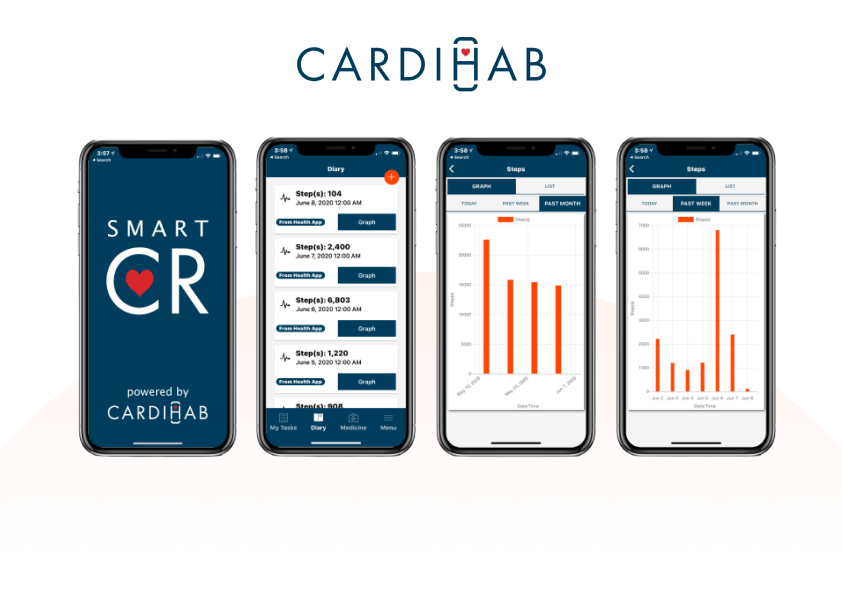
What is cardiac rehab?
Cardiac rehabilitation is a critical program that helps patients recover and maintain optimal health after a heart event, or while living with heart disease. Traditionally it means regular clinic visits, and the time, travel, and access barriers that come with them are exactly why so many patients never finish.

Challenge
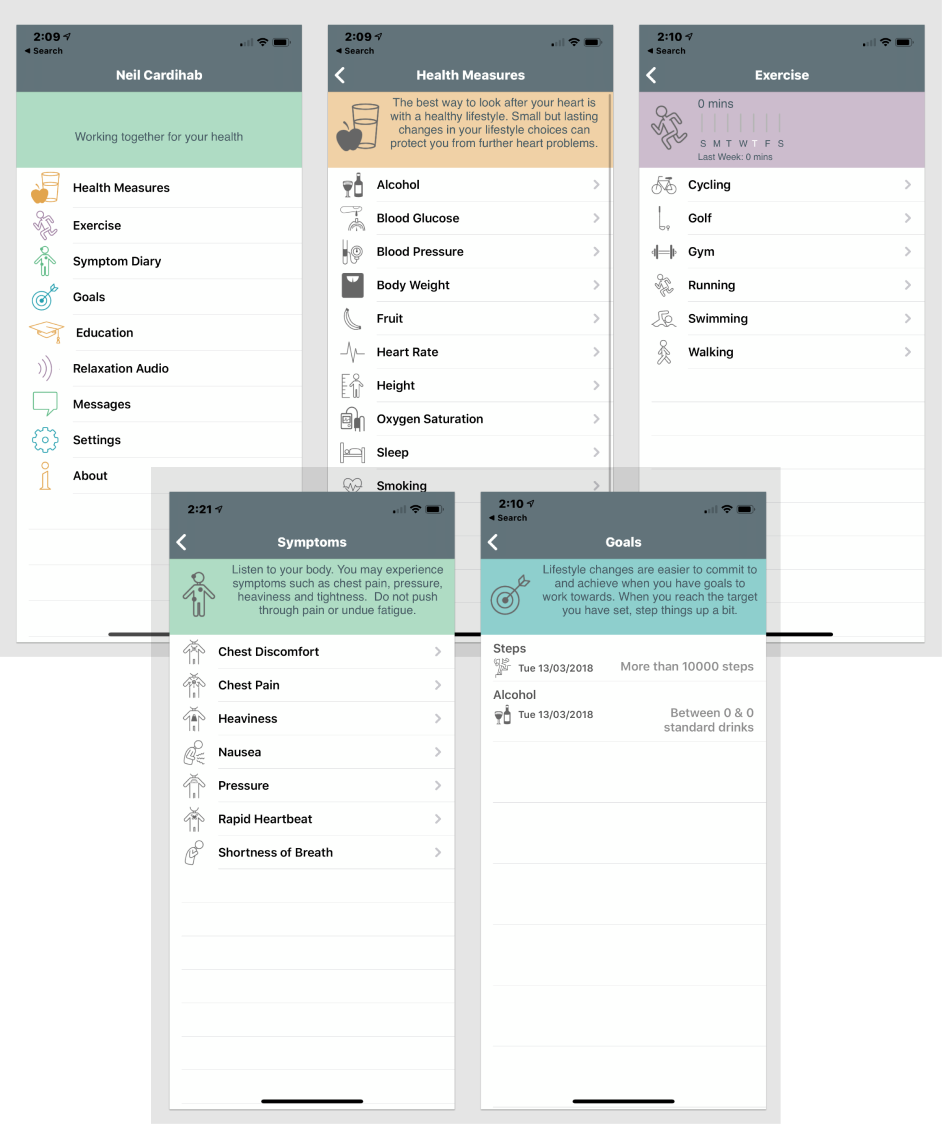
Cardihab had inherited an app built for a research study that validated significant patient health improvements, but it was built without design consideration.
- UX as an afterthought: a fragmented, disjointed journey that failed to meet user expectations.
- No guided program: without structure, users were uncertain how to navigate or get value from the platform.
- Fragmented codebases: two separate codebases created inconsistencies and slowed every release.
- Ineffective onboarding: a confusing first-run experience frustrated and disengaged users from the start.
Approach
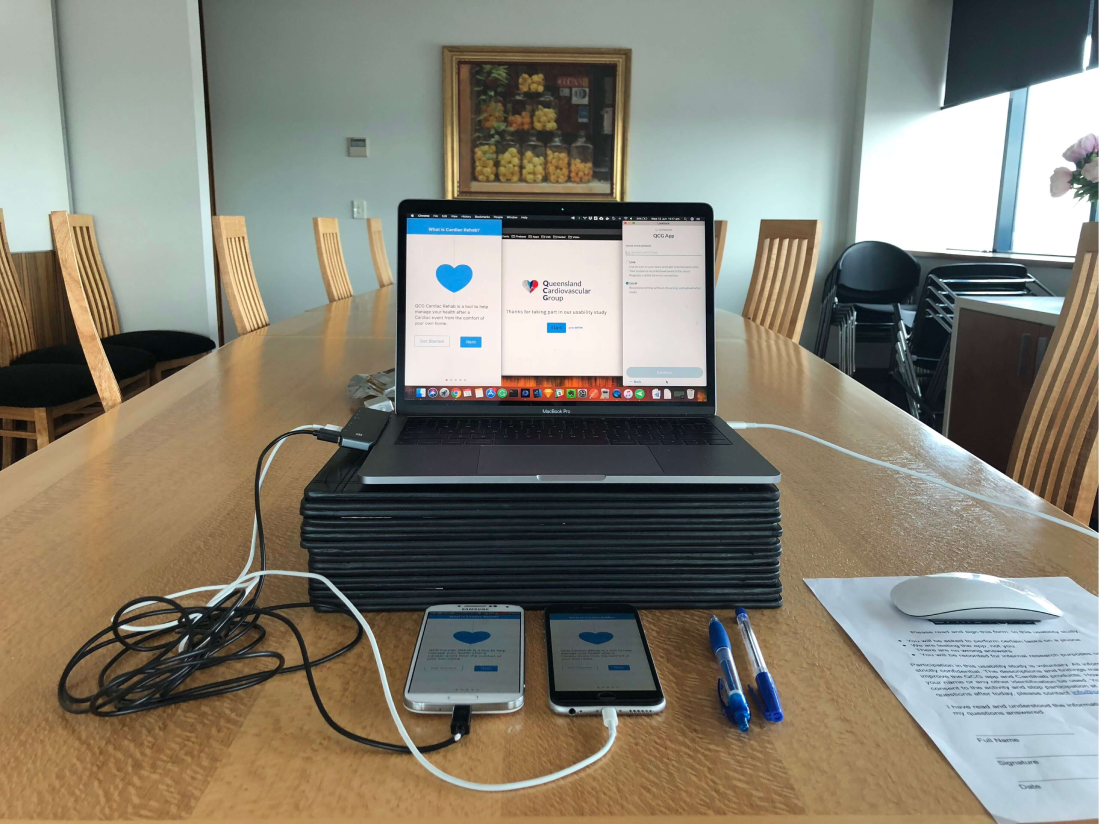
Amid startup pressure to “build fast and break things”, I advocated for a design-thinking approach, persuading leadership to prioritise research and validation so we wouldn’t repeat the pitfalls of the earlier academic build.
- User interviews: engaged nurses and cardiac rehab patients to validate assumptions and uncover pain points.
- Stakeholder management: collaborated with board members and founders to align project goals with organisational priorities and user needs.
- Grounded in reality: real-world insights set the foundation for a solution that genuinely addressed user challenges.
Outcomes
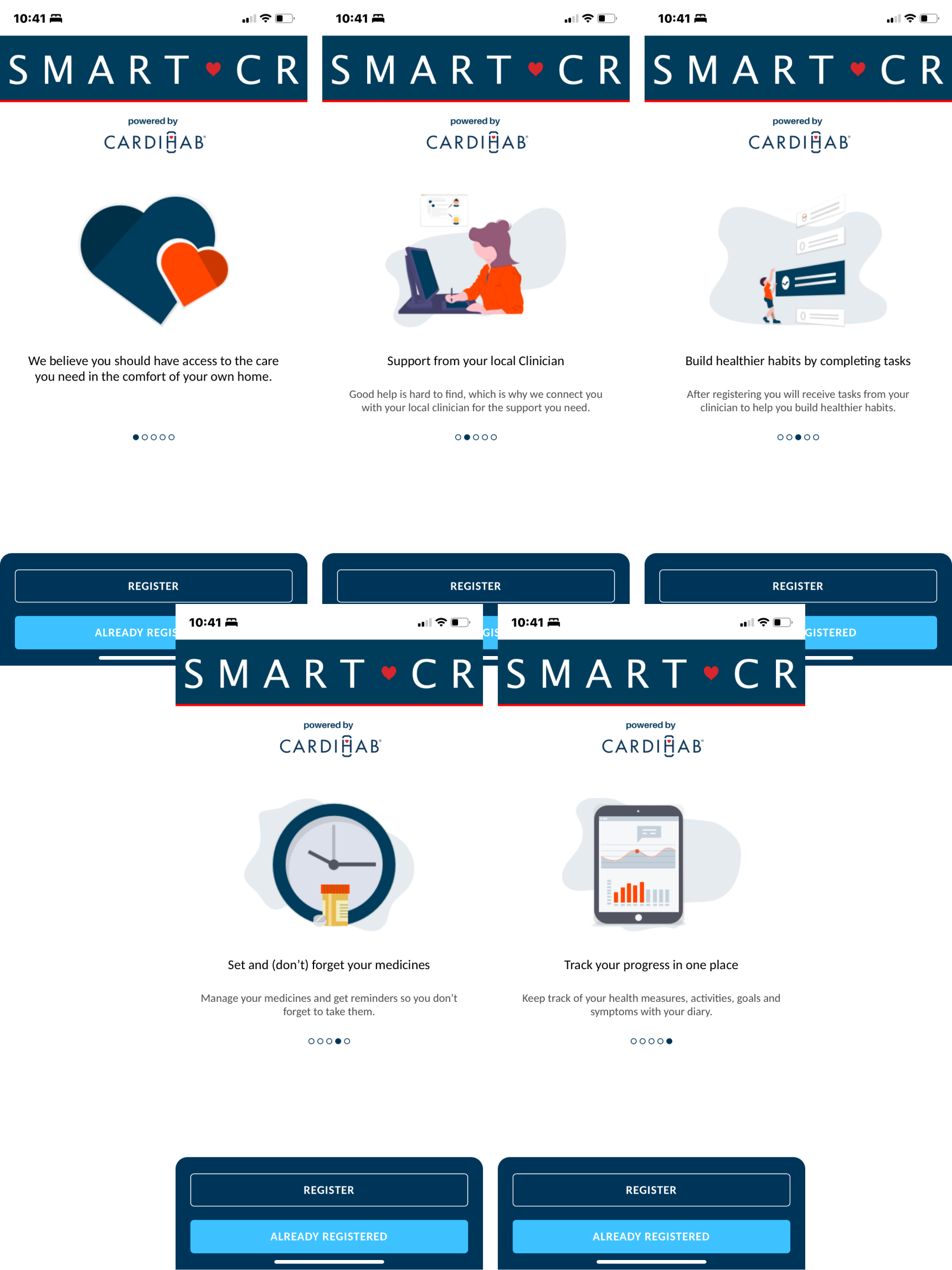
The redesign turned a research artefact into a product patients could actually live with.
- Streamlined onboarding: a clear, guided first-run flow that reduced frustration and improved retention.
- Structured guided program: step-by-step milestones that help users navigate the program and get the most from it.
- Unified codebase: consolidated two fragmented codebases into one efficient system: consistent UI, faster updates.
Health outcomes
Clinic visits
Remote monitoring and communication drastically reduced in-person visits, saving time for patients and clinicians while maintaining care quality.
Completion
Ease of use and a personalised approach substantially increased the number of patients completing their rehab programs.
Adherence
Patients showed higher commitment to prescribed rehab activities thanks to the program’s flexibility and engaging digital tools.
Uptake
The smartphone-based approach broke the time, location, and accessibility barriers of clinic-based care, significantly increasing participation.